

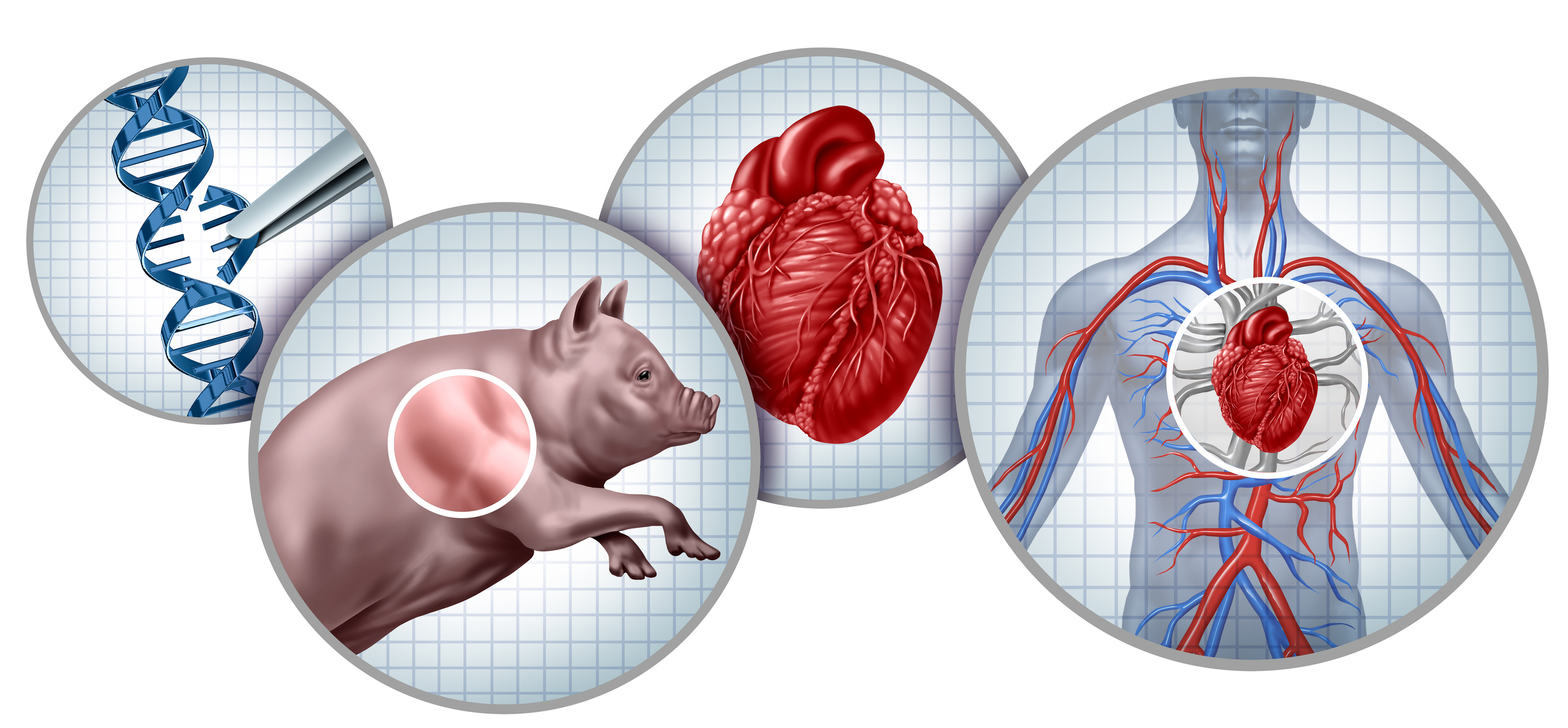
Xenotransplantation is becoming one of the most talked-about areas in modern medicine. As transplant waiting lists continue to grow and donor shortages remain a global challenge, researchers are revisiting animal-derived biological materials as a potential solution. Among all available options, porcine tissue has become a major focus.
Porcine-derived materials have already been used in healthcare for decades through heart valves, collagen products, wound care technologies, and regenerative medicine applications. Today, advances in genetic engineering and tissue processing are bringing renewed attention to their role in future transplant and biomedical research.
Why Porcine Tissue is Leading the Conversation
Porcine tissue offers several advantages that make it valuable for medical applications. Several porcine-derived materials offered by Sustainable Swine Resources (SSR) are already widely used in biomedical research and regenerative medicine due to their structural similarities to human tissue and their versatility across surgical and therapeutic applications.
Examples Include:
Biological Similarities
Porcine tissues share important structural and physiological similarities with human tissues. This makes them useful in surgical research, regenerative medicine, and transplant-related studies.
Scalability and Availability
Human donor shortages continue to limit treatment options worldwide. Porcine-derived materials provide a more scalable and controlled supply source for research and medical development.
Established Medical Use
Porcine materials are already widely used across healthcare, including:
- Heart valve replacements
- Collagen-based products
- Surgical meshes
- Skin graft technologies
- Regenerative medicine scaffolds
This long history in medicine supports continued innovation and research.
The Impact of Genetic Engineering
One of the biggest reasons xenotransplantation is gaining momentum again is the advancement of genetic engineering.
Researchers can now modify porcine genetics to reduce immune rejection risks and improve compatibility with human biology. Improved pathogen screening and biosafety practices have also strengthened confidence in porcine-derived research materials.
These developments are helping move xenotransplantation closer to real-world clinical applications.
Regenerative Medicine is Driving Demand
The rise of regenerative medicine has also increased demand for porcine-derived biomaterials.
Researchers are exploring how porcine collagen, extracellular matrices, and decellularized tissues can support healing and tissue repair. These materials are being studied in areas such as:
- Orthopedic research
- Cardiovascular applications
- Wound healing
- Soft tissue repair
- Surgical reconstruction
As tissue engineering continues to grow, high-quality biological materials will remain essential to innovation. Visit our Porcine Material FAQ Guide for more information on sourcing.
Why the Industry is Paying Attention
Several factors are fueling renewed interest in xenotransplantation:
- Ongoing global organ shortages
- Advances in biotechnology and gene editing
- Increased investment in regenerative medicine
- Expanding clinical research programs
Together, these trends are pushing porcine-derived biomedical materials back into the spotlight.
Looking Ahead
While large-scale organ xenotransplantation is still developing, porcine-derived materials are already playing an important role in healthcare and biomedical research.
From regenerative medicine to advanced surgical applications, porcine tissue continues to support innovation across the life sciences industry. As research progresses, demand for reliable, high-quality biological materials is expected to grow alongside it.
Contact SSR for more information.