

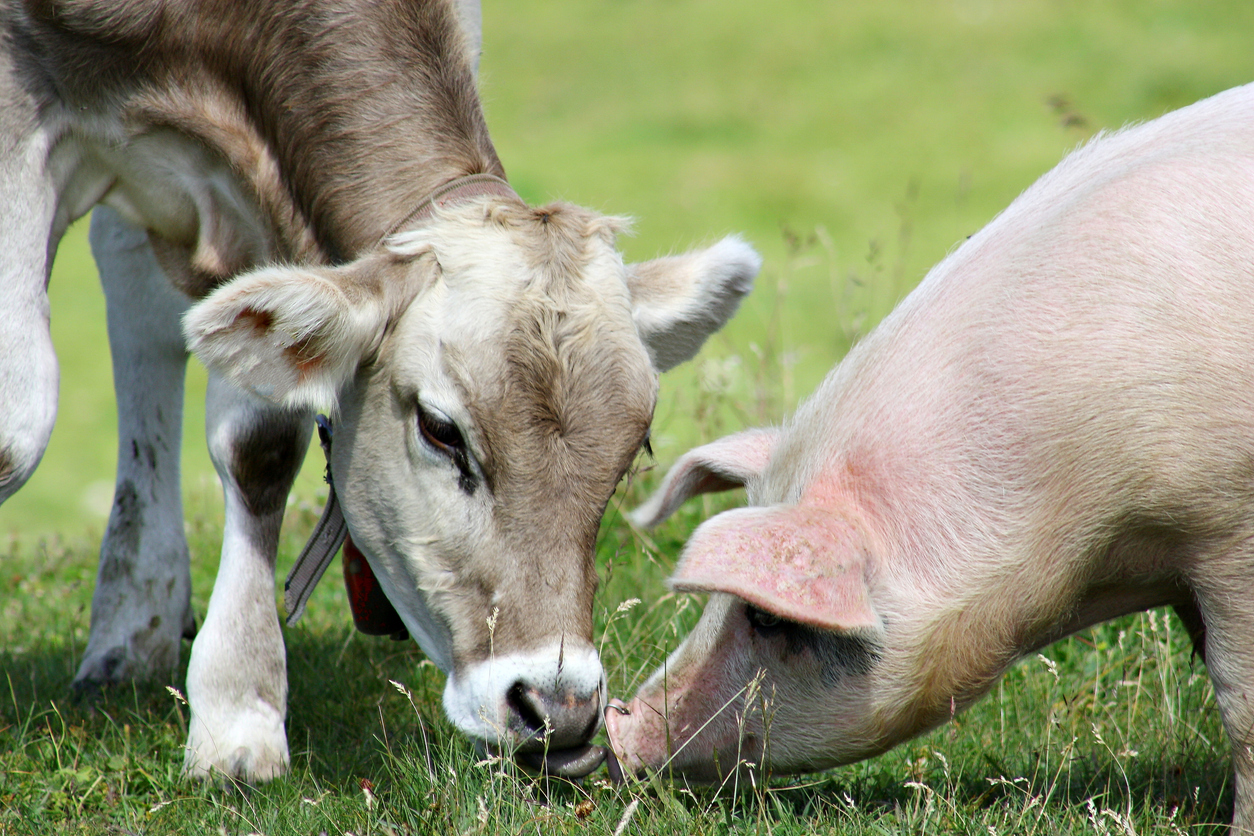
Animal-derived materials play a critical role in biomedical research, product development, and medical manufacturing. Among the most commonly sourced materials are porcine (pig-derived) and bovine (cow-derived) tissues, fluids, and biomolecules. Each offers distinct advantages depending on the intended application, processing requirements, and biological characteristics.
At Sustainable Swing Resources (SSR), understanding the differences between porcine and bovine materials helps researchers, manufacturers, and procurement teams make informed sourcing decisions that align with performance, safety, and regulatory needs.
Why Animal-Derived Materials Are Used in Research
Porcine and bovine materials are widely used because they closely resemble human biology in structure and function. This similarity makes them valuable for applications such as tissue engineering, device testing, drug development, and surgical products.
Both sources are commonly used to produce:
- Blood and plasma derivatives
- Collagen and extracellular matrix (ECM) materials
- Tissue grafts and scaffolds
- Enzymes and biologics
These materials are often processed through techniques like decellularization to remove cellular components while preserving structural proteins and biological function.
Key Biological Differences Between Porcine and Bovine
While porcine and bovine materials share many similarities, important biological differences influence how they perform in research and clinical applications.
1. Structural and Mechanical Properties
Porcine and bovine tissues differ in composition, density, and mechanical behavior.
- Bovine-derived materials often exhibit strong structural integrity and durability, making them suitable for applications requiring mechanical strength.
- Porcine tissues can offer greater elasticity and flexibility depending on the tissue type and processing method.
Differences in collagen organization and biochemical composition also impact how these materials behave under stress or during long-term implantation.
2. Collagen and Biomolecular Composition
Collagen is one of the most widely used components in biomedical materials, and its characteristics vary by species.
- Bovine collagen is often valued for its stability
- Porcine collagen may have different molecular structures and properties, which can influence hydration, elasticity, and degradation rates.
These differences can affect how materials integrate with human tissue or perform in lab environments.
3. Biocompatibility and Immune Response
Both porcine and bovine materials are considered biocompatible when properly processed, particularly after decellularization removes immunogenic components.
- Studies show that both sources can support cell growth and tissue integration.
- However, variations in immune response may occur depending on the material and application
In most cases, the processing method has as much impact on biocompatibility as the source itself.
4. Degradation and Resorption Rates
In applications such as tissue scaffolds and grafts, how quickly a material degrades is an important consideration.
- Porcine-derived materials are sometimes associated with faster resorption rates.
- Bovine-derived materials may degrade more slowly, providing longer structural support in certain applications.
This difference can influence material selection depending on whether long-term support or faster remodeling is desired.
Application Considerations
Both porcine and bovine materials are used across a wide range of biomedical and research applications. Selection typically depends on the specific performance requirements of the product or study.
Common Uses for Porcine Materials
- Skin and soft tissue research
- Surgical grafts and wound healing applications
- Blood and plasma-based research
- Flexible tissue scaffolds
Common Uses for Bovine Materials
- Bone grafts and structural implants
- Collagen-based products
- Cardiovascular and orthopedic research
- Long-term implantable biomaterials
In many cases, both sources can be viable, and the choice comes down to functional needs, processing methods, and supply chain considerations.
Sourcing and Quality Considerations
Reliable sourcing is critical when working with animal-derived materials. Factors such as traceability, consistency, and handling protocols directly impact research outcomes and product performance.
Key considerations include:
- Ethical and compliant sourcing practices
- Proper collection and handling procedures
- Batch consistency and quality control
- Ability to meet custom specifications
Working with an experienced sourcing partner helps ensure materials meet the necessary standards for research and manufacturing. Visit our FAQ or Resource page for more answers on quality considerations.
Choosing the Right Material for Your Application
There is no one-size-fits-all answer when comparing porcine and bovine materials. Both offer proven value in biomedical research, but their differences in structure, composition, and performance make them suited to different use cases.
The right choice depends on:
- Mechanical and structural requirements
- Desired degradation rate
- Application-specific performance needs
- Regulatory and sourcing considerations
By understanding these differences, organizations can make more informed decisions that support successful outcomes in research and product development.
Start the conversation about how SSR can partner with you. Contact SSR to explore the model that aligns with your goals.